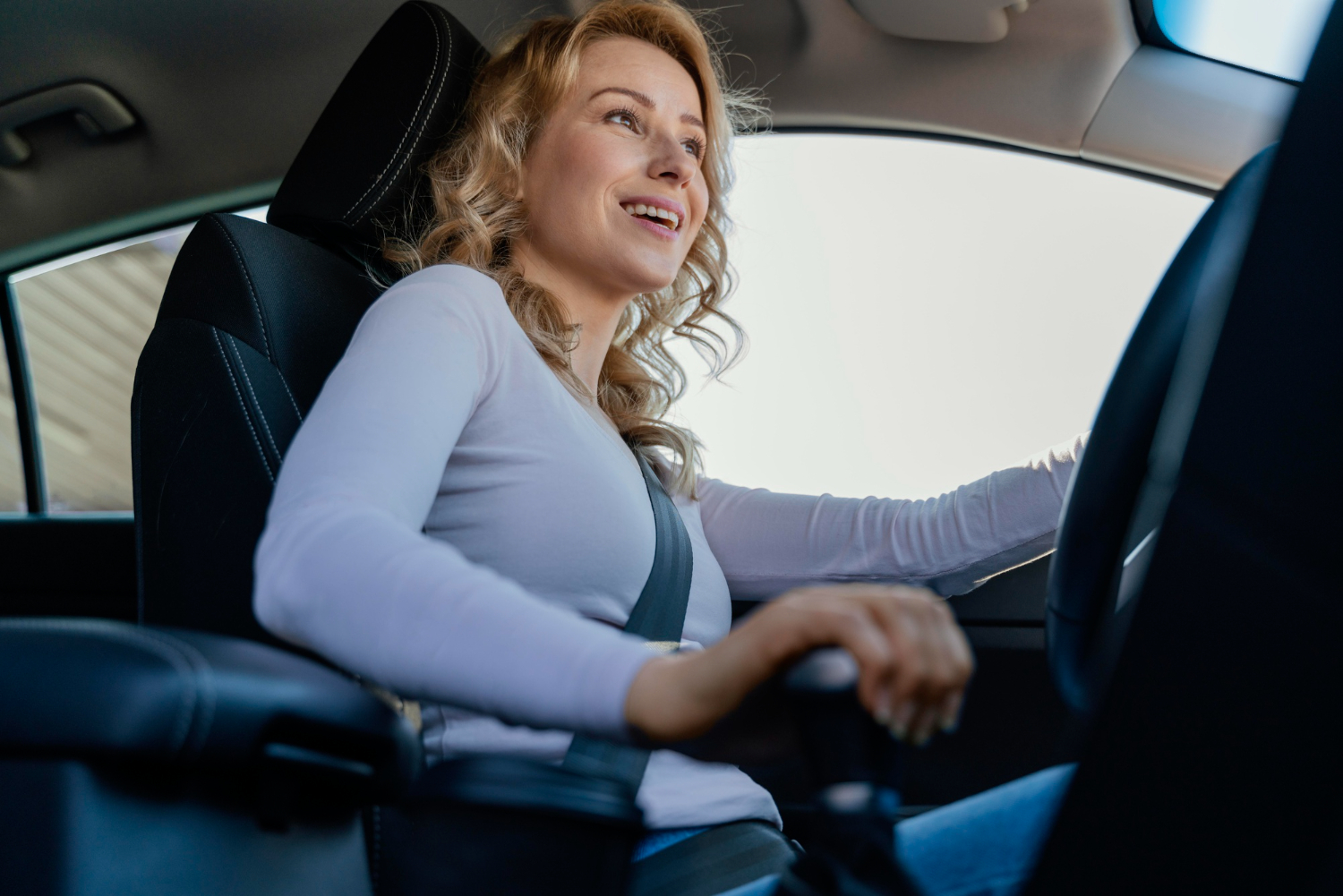
Modern vehicles are safer than ever, thanks to decades of improvements in automotive design and technology. While no feature can completely prevent an accident, seat belts and built-in safety systems work together to reduce the likelihood of serious injuries and help drivers avoid collisions in the first place.
Understanding how these features work can help you appreciate their importance and make better decisions when choosing or driving a vehicle.
Seat Belts Are Your First Line of Protection
Seat belts remain one of the most important safety features in any vehicle.
In a collision, they help:
- Keep occupants securely in their seats
- Reduce the risk of being thrown from the vehicle
- Distribute crash forces across stronger parts of the body
- Help occupants remain in the proper position for airbags to work effectively
Whether you’re driving across town or taking a long road trip, buckling up before every trip is one of the simplest ways to improve your safety.
Airbags Provide Additional Protection
Airbags are designed to work alongside seat belts—not replace them.
During certain types of collisions, airbags deploy quickly to help cushion occupants from striking hard surfaces inside the vehicle.
Common airbag systems include:
- Front airbags
- Side-impact airbags
- Curtain airbags
- Knee airbags in some vehicles
Because airbags deploy with significant force, wearing a seat belt helps ensure you’re positioned correctly for them to provide the greatest benefit.
Anti-Lock Braking Systems (ABS)
Anti-lock braking systems help drivers maintain steering control during hard braking.
Instead of allowing the wheels to lock up, ABS rapidly adjusts braking pressure so the tires continue to grip the road.
Benefits include:
- Improved steering control
- Reduced skidding
- Better stability during emergency stops
While ABS doesn’t always shorten stopping distance, it often helps drivers maintain control in situations where they might otherwise lose traction.
Electronic Stability Control
Electronic Stability Control (ESC) is designed to help prevent loss of control during sharp turns or slippery road conditions.
The system continuously monitors:
- Steering input
- Vehicle direction
- Wheel movement
If it detects that the vehicle is beginning to skid, ESC can automatically apply braking to individual wheels and adjust engine power to help the driver regain control.
This feature is especially valuable on wet, snowy, or icy roads.
Traction Control Helps Maintain Grip
Traction control works closely with stability control to reduce wheel spin during acceleration.
It can be particularly helpful when driving on:
- Wet pavement
- Snow-covered roads
- Ice
- Loose gravel
By helping tires maintain traction, the system improves vehicle stability when starting or accelerating.
Automatic Emergency Braking
Many newer vehicles include automatic emergency braking systems.
These systems use sensors or cameras to monitor the road ahead.
If a potential collision is detected, the vehicle may:
- Warn the driver
- Apply the brakes automatically if the driver doesn’t react in time
While drivers should never rely solely on this technology, it can provide valuable assistance in emergency situations.
Lane Departure Warning and Lane Keeping Assistance
Drifting out of a lane can lead to serious accidents, particularly on highways.
Many vehicles now include systems that:
- Alert drivers when they unintentionally leave their lane
- Provide gentle steering assistance to help guide the vehicle back
These features are designed to support attentive driving, not replace it.
Drivers should always keep their hands on the wheel and remain focused on the road.
Blind Spot Monitoring
Every vehicle has areas that aren’t fully visible through mirrors.
Blind spot monitoring systems use sensors to detect vehicles traveling alongside your car.
If another vehicle is in your blind spot, the system may:
- Illuminate a warning light
- Sound an alert
- Provide additional warnings if you activate your turn signal
This added awareness can help reduce lane-change collisions.
Rearview Cameras and Parking Sensors
Backing up is one of the most common times for low-speed accidents.
Rearview cameras and parking sensors help drivers:
- See obstacles behind the vehicle
- Detect pedestrians or objects that may be difficult to spot
- Park more safely in tight spaces
Even with these systems, it’s still important to check mirrors and look over your shoulder before reversing.
Adaptive Cruise Control
Adaptive cruise control builds on traditional cruise control by automatically adjusting your speed to maintain a safe distance from the vehicle ahead.
This feature can:
- Reduce frequent speed adjustments
- Help maintain consistent following distances
- Make highway driving less stressful
Drivers should continue paying attention at all times, as adaptive cruise control is an assistance feature rather than a self-driving system.
Safety Features Work Best Together
No single safety feature can prevent every accident or injury.
The greatest protection comes from combining:
- Seat belt use
- Attentive driving
- Safe following distances
- Obeying speed limits
- Proper vehicle maintenance
- Modern safety technology
Each layer adds to your overall protection and helps reduce risk on the road.
Technology Supports Good Driving—It Doesn’t Replace It
Advanced safety features are valuable tools, but they aren’t substitutes for responsible driving.
Drivers should continue to:
- Stay focused on the road
- Avoid distractions
- Check mirrors and blind spots
- Drive at safe speeds
- Adjust for weather and traffic conditions
Technology works best when paired with safe driving habits.
Seat belts and modern vehicle safety features have transformed the driving experience by helping reduce both the likelihood and severity of accidents.
From airbags and anti-lock brakes to blind spot monitoring and automatic emergency braking, today’s vehicles offer more protection than ever before.
While these systems provide important support, the safest approach is still a combination of responsible driving and proper use of your vehicle’s safety equipment. Buckling your seat belt, staying attentive, and understanding how your vehicle’s features work can go a long way toward making every trip safer for you, your passengers, and everyone sharing the road.