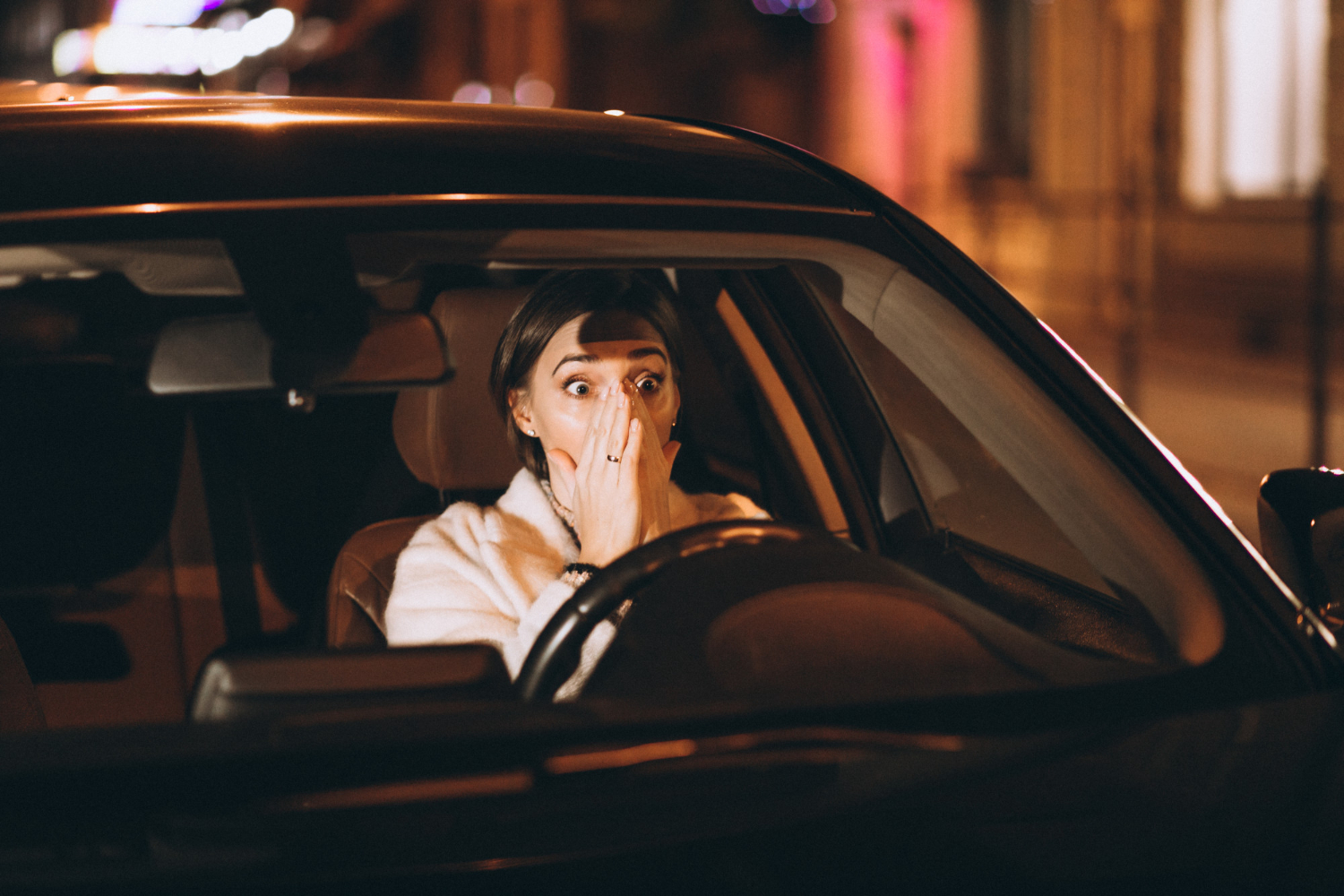
Driving after dark presents a different set of challenges than driving during the day. Reduced visibility, headlight glare, driver fatigue, and increased wildlife activity all make nighttime travel more demanding. While fewer vehicles may be on the road, the risk of serious accidents often increases because it’s harder to spot hazards in time to react.
Fortunately, a few simple habits can make night driving safer and more comfortable. Whether you’re commuting home after work or taking a long evening trip, these tips can help you stay alert and prepared.
Slow Down When Visibility Is Limited
At night, you can’t see as far ahead as you can during daylight hours.
Driving a little slower gives you:
- More time to recognize hazards
- Additional stopping distance
- Better control if something unexpected appears in the road
Even on familiar roads, lowering your speed slightly can make a significant difference in your reaction time.
Keep Your Headlights Clean and Working Properly
Your headlights are your primary source of visibility after dark, so they should always be in good condition.
Regularly check that:
- Both headlights are working
- High and low beams function properly
- Lenses are clean and free of haze
- Brake lights and taillights are also operating correctly
Dirty or cloudy headlights can noticeably reduce how well you see the road at night.
Use High Beams Responsibly
High beams improve visibility on dark roads with little or no street lighting.
However, they should be dimmed when:
- Another vehicle is approaching
- You’re following another driver closely
- You’re driving in well-lit urban areas
Using high beams appropriately helps you see farther without creating dangerous glare for other drivers.
Reduce Glare From Oncoming Traffic
Bright headlights from other vehicles can temporarily affect your vision.
If you’re blinded by glare:
- Avoid looking directly at the headlights.
- Focus on the right edge of your lane.
- Keep your eyes moving until the vehicle passes.
Cleaning both the inside and outside of your windshield can also reduce glare caused by dirt and streaks.
Stay Alert for Pedestrians and Cyclists
People walking or riding bicycles can be much harder to see at night, especially in areas with poor lighting.
Pay extra attention near:
- Crosswalks
- Residential neighborhoods
- School zones
- Parking lots
- Downtown streets
Reducing your speed in these areas gives you more time to react if someone enters the roadway.
Watch for Wildlife
Animals are often more active around sunrise and sunset, but they can also appear unexpectedly throughout the night.
Be especially cautious:
- On rural roads
- Near wooded areas
- Around open fields
- Wherever wildlife crossing signs are posted
If you see one animal crossing the road, slow down and watch carefully—others may be following.
Avoid Driving While Tired
Fatigue is one of the biggest risks associated with night driving.
Signs that you’re becoming tired include:
- Frequent yawning
- Difficulty keeping your eyes open
- Drifting within your lane
- Missing road signs or exits
- Trouble remembering the last few miles driven
If you notice these warning signs, find a safe place to stop and rest before continuing your trip.
Increase Your Following Distance
Because visibility is reduced at night, leaving extra space between vehicles is especially important.
A greater following distance gives you:
- More time to react
- Better visibility around larger vehicles
- Additional room if traffic slows suddenly
This simple adjustment can greatly reduce the likelihood of rear-end collisions.
Keep Your Windshield Clean
Dust, fingerprints, and streaks become much more noticeable after dark.
A clean windshield helps:
- Reduce headlight glare
- Improve overall visibility
- Make road signs easier to read
Regularly replacing worn windshield wipers also helps maintain a clear view during nighttime rain.
Limit Distractions
Night driving already requires more concentration than daytime driving.
Avoid distractions such as:
- Texting
- Adjusting navigation while moving
- Eating behind the wheel
- Searching for items inside the vehicle
Keeping your attention on the road helps you respond more quickly to unexpected hazards.
Plan Your Route Before Leaving
If you’re traveling somewhere unfamiliar, review your route before starting your trip.
This can help you:
- Avoid last-minute lane changes
- Reduce unnecessary stress
- Spend less time looking at navigation instructions
- Stay focused on the road ahead
Knowing where you’re going allows you to devote more attention to driving safely.
Make Sure Your Vision Is Up to the Task
Driving at night can be more challenging if your vision isn’t as sharp as it once was.
If you notice:
- Difficulty seeing road signs
- Increased sensitivity to glare
- Trouble judging distances
- Blurred nighttime vision
Consider scheduling an eye exam. Proper vision correction can make nighttime driving much safer.
Be Extra Cautious in Poor Weather
Rain, fog, or snow can make nighttime visibility even more difficult.
During bad weather:
- Slow down further.
- Use low-beam headlights in fog.
- Increase following distance.
- Avoid sudden braking or steering.
Combining darkness with poor weather requires extra patience and attention.
Night driving requires a little more caution, but it doesn’t have to be intimidating.
By slowing down, maintaining your vehicle, staying alert, and reducing distractions, you can safely handle the unique challenges that come with driving after dark.
The key is to recognize that visibility is limited and adjust your driving accordingly. With good habits and careful attention to your surroundings, every nighttime trip can be a safer one—for you, your passengers, and everyone else on the road.