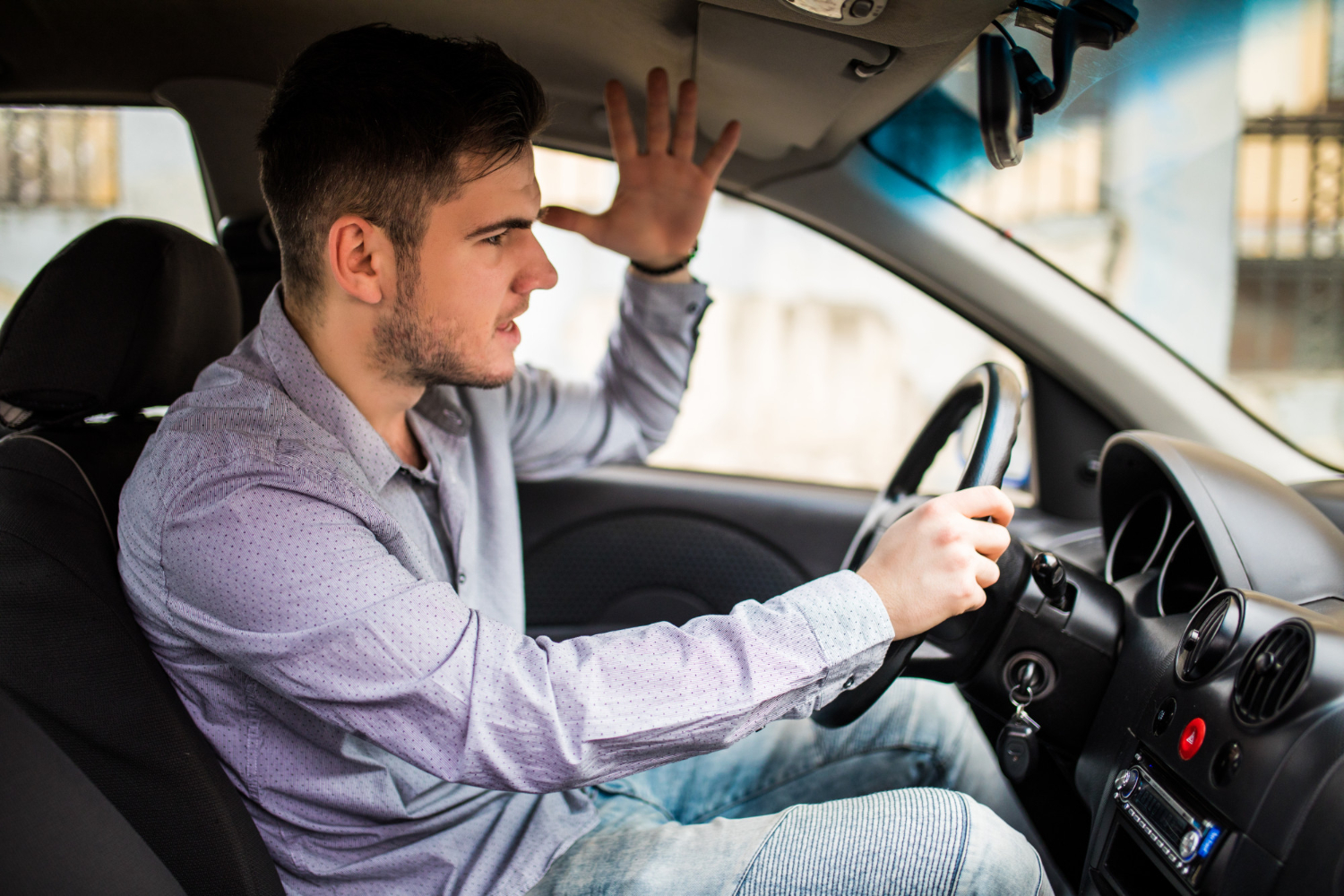
Most accidents don’t happen out of nowhere. In many cases, they’re linked to everyday driving habits that slowly increase risk over time. The tricky part is that these habits often feel normal—until something goes wrong.
Understanding what behaviors raise accident risk can help you adjust your driving style and reduce the chances of an unexpected crash.
Here are some of the most common habits that contribute to higher accident risk on the road.
Distracted Driving
Distraction is one of the leading causes of accidents, and it comes in many forms.
Common distractions include:
- Texting or using a phone
- Adjusting navigation systems
- Eating or drinking while driving
- Reaching for objects in the car
- Talking to passengers
Even a few seconds of inattention can be enough to miss a changing traffic signal or a sudden stop ahead.
Following Too Closely
Tailgating reduces your reaction time and leaves very little room for error.
If the vehicle ahead brakes suddenly, you may not have enough distance to stop safely.
A safer approach is to maintain a following distance that increases with speed and road conditions. This gives you more time to react and reduces the likelihood of rear-end collisions.
Speeding
Driving above the speed limit—or too fast for conditions—is a major risk factor in accidents.
Speeding increases risk because it:
- Reduces reaction time
- Extends stopping distance
- Increases crash severity
- Limits control in emergencies
Even small increases in speed can significantly affect how quickly you can respond to unexpected situations.
Aggressive Driving
Aggressive driving behaviors can escalate risk quickly, especially in heavy traffic.
Examples include:
- Frequent lane changes without signaling
- Cutting off other drivers
- Rapid acceleration and hard braking
- Road rage behaviors
- Weaving through traffic
Aggressive driving increases the likelihood of mistakes and reduces overall safety margins.
Ignoring Traffic Signals and Signs
Traffic signals and road signs exist to regulate flow and prevent collisions.
Risk increases when drivers:
- Run red lights or stop signs
- Fail to yield right-of-way
- Roll through intersections without fully stopping
- Ignore lane markings
Intersections are already high-risk areas, and violations make them even more dangerous.
Driving While Fatigued
Drowsy driving can be just as dangerous as impaired driving.
Fatigue can lead to:
- Slower reaction times
- Reduced awareness
- Microsleeps (brief lapses in attention)
- Poor decision-making
Long trips, late-night driving, and lack of sleep all increase the risk of fatigue-related accidents.
Driving in Poor Weather Without Adjusting
Rain, snow, ice, and fog require adjustments in driving behavior.
Risk increases when drivers:
- Maintain normal speeds in bad weather
- Fail to increase following distance
- Brake too hard on slippery roads
- Ignore reduced visibility conditions
Adapting to weather conditions is essential for maintaining control of the vehicle.
Driving Under Stress or Emotional Distress
Emotional state can affect focus and decision-making behind the wheel.
Stress, anger, or anxiety may lead to:
- Impulsive decisions
- Reduced patience in traffic
- Aggressive reactions
- Difficulty concentrating
Driving requires steady attention, and strong emotions can interfere with that focus.
Overconfidence in Driving Ability
Experienced drivers sometimes develop habits of overconfidence.
This can result in:
- Taking unnecessary risks
- Ignoring safety margins
- Underestimating road hazards
- Relying too heavily on reaction skills
Even skilled drivers benefit from maintaining cautious and defensive habits.
Improper Lane Changes
Unsafe lane changes are a common cause of multi-vehicle collisions.
Risk increases when drivers:
- Fail to check blind spots
- Don’t use turn signals
- Change lanes abruptly
- Misjudge distance or speed of nearby vehicles
Clear communication and careful observation are key to safe lane changes.
Not Adjusting to Traffic Conditions
Traffic patterns can change quickly, especially in urban or highway environments.
Risk increases when drivers:
- Maintain constant speed in stop-and-go traffic
- Fail to anticipate congestion
- Don’t leave space for merging vehicles
- Ignore sudden slowdowns ahead
Defensive driving means adapting to the flow of traffic, not just following it.
Reduced Awareness at Intersections
Intersections are among the most dangerous areas on the road.
Common risky behaviors include:
- Not scanning for cross traffic
- Assuming other drivers will stop
- Rushing through yellow lights
- Turning without checking for pedestrians
Extra caution at intersections can significantly reduce accident risk.
Most accident risks come from everyday driving habits rather than rare or extreme events.
Small choices—like following too closely, speeding slightly, or checking a phone briefly—can add up to serious consequences over time.
The good news is that these habits can be changed. By driving more attentively, adjusting to conditions, and practicing patience on the road, you can significantly reduce your risk of accidents and contribute to safer roads for everyone.