When you file an auto insurance claim, you’ll quickly hear two terms come up: adjuster and inspection. They’re central to how your claim is evaluated, yet most drivers don’t really know what they do until they’re in the middle of a claim.
Understanding how adjusters and inspections work can make the process feel less confusing and help you know what to expect after an accident.
What an Insurance Adjuster Does
An insurance adjuster is the person assigned to review your claim and determine how it should be handled under your policy.
Their main responsibilities include:
- Investigating the details of the accident or loss
- Reviewing your policy coverage
- Determining what damage is eligible for payment
- Estimating repair or replacement costs
- Coordinating with repair shops and other parties
In simple terms, the adjuster acts as the decision-maker who evaluates the claim from start to finish.
How Adjusters Investigate a Claim
Once a claim is filed, the adjuster begins gathering information. This may include:
- Your statement about what happened
- Statements from other drivers or witnesses
- Police reports, if available
- Photos or videos from the scene
- Vehicle damage assessments
- Medical or repair documentation (if applicable)
The goal is to build a clear picture of the incident before making any decisions about coverage or payment.
What Happens During an Inspection
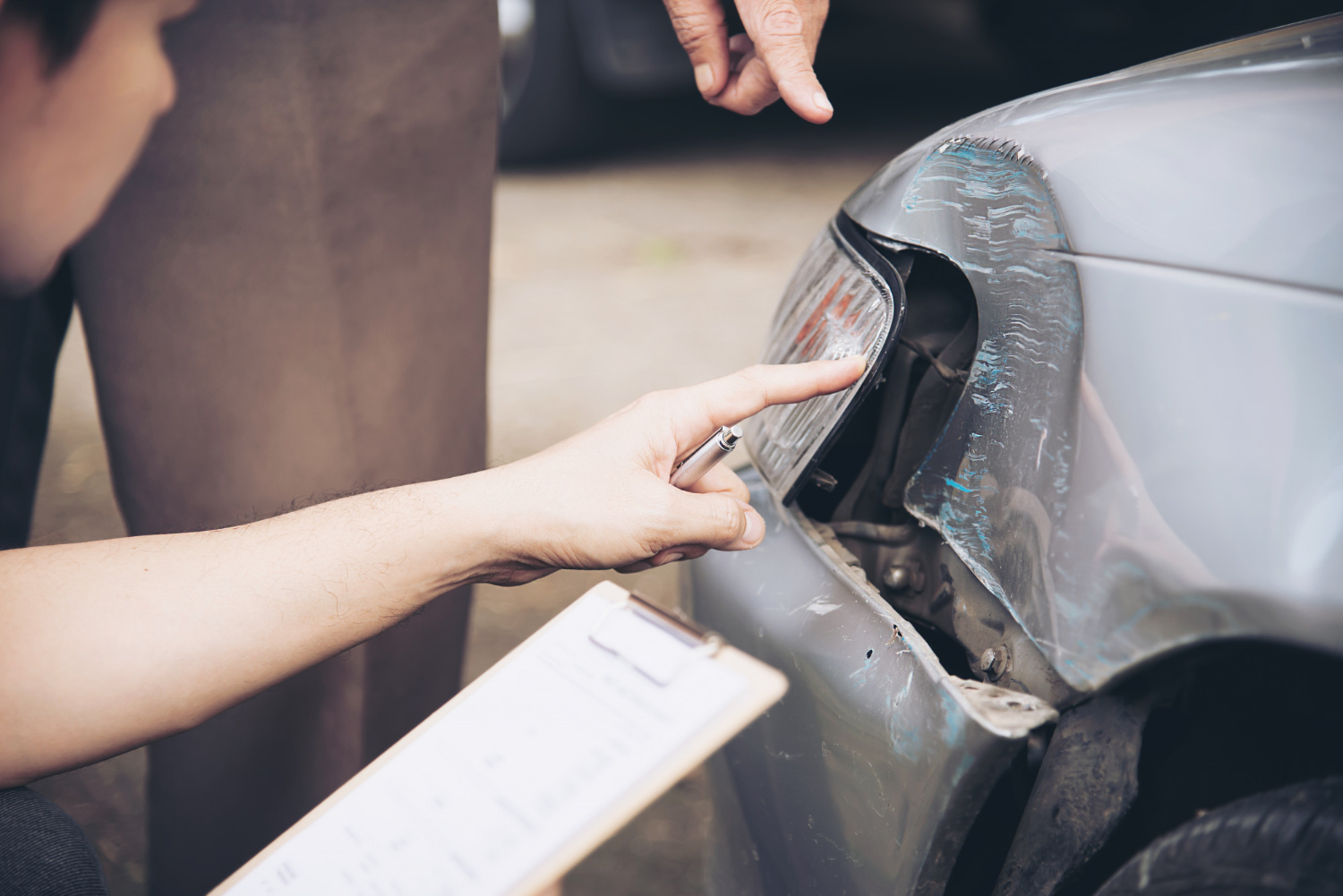
An inspection is the process of physically or visually evaluating the damage to a vehicle.
Depending on the situation, inspections can be done:
- In person at a repair shop
- At a claims center
- By a mobile adjuster who comes to you
- Through photos or video submitted electronically
During the inspection, the adjuster or estimator looks at:
- Exterior and structural damage
- Mechanical issues related to the accident
- Safety systems (like airbags or sensors)
- Overall repair feasibility
They then estimate how much it will cost to repair the vehicle using industry-standard tools and pricing guides.
How Damage Estimates Are Created
After the inspection, the adjuster prepares a repair estimate.
This estimate typically includes:
- Parts needed for repair or replacement
- Labor hours required
- Paint and materials
- Any additional repair procedures
- Regional pricing based on local labor rates
Many insurers use standardized software to help ensure consistency in estimating repair costs.
When Photos Replace Physical Inspections
Not every claim requires an in-person inspection.
In many cases, insurers may use:
- Photos you submit through a mobile app
- Images from a repair shop
- Video assessments
- Digital estimating tools
This approach can speed up the process, especially for minor damage or straightforward claims.
However, more complex damage usually still requires a physical inspection.
Total Loss Evaluations
If the cost to repair a vehicle is close to or greater than its market value, the adjuster may declare it a total loss.
In this situation, the adjuster will:
- Determine the vehicle’s actual cash value (ACV)
- Compare it to the repair estimate
- Factor in salvage value (what the damaged vehicle is worth)
If repairs exceed a certain threshold, the insurer may decide it’s more cost-effective to pay the vehicle’s value rather than repair it.
How Adjusters Determine What’s Covered
After the inspection and investigation, the adjuster reviews your policy to determine coverage.
They will check:
- Whether the damage is covered under your policy type
- Applicable deductibles
- Coverage limits
- Any exclusions or restrictions
Only eligible damages are included in the final claim payment.
Communication During the Process
Adjusters typically stay in contact throughout the claim.
You may hear from them to:
- Request additional documents
- Clarify accident details
- Schedule an inspection
- Provide updates on claim status
- Explain repair or payment decisions
Clear and timely communication helps keep the process moving smoothly.
Working With Repair Shops
If your vehicle is being repaired, the adjuster often works directly with the repair shop.
This may involve:
- Approving repair estimates
- Reviewing supplemental damage discovered during repairs
- Authorizing additional work if needed
- Coordinating payment directly with the shop
In many cases, you won’t need to manage every detail yourself.
Supplemental Damage Reviews
Sometimes additional damage is discovered after repairs begin.
When this happens:
- The repair shop notifies the insurer
- The adjuster reviews the new findings
- A supplemental estimate is created
- Additional approval is issued if covered
This is a normal part of the process, especially after significant accidents.
Why Adjusters and Inspections Matter
Adjusters and inspections are essential because they ensure:
- Claims are handled fairly and consistently
- Repair costs are accurate and reasonable
- Policy coverage is applied correctly
- Payments reflect actual damage and loss
Without this process, claims would be much harder to evaluate and resolve fairly.
What You Can Do to Help the Process
You can help your claim move faster by:
- Providing clear photos of the damage
- Responding quickly to adjuster requests
- Keeping documentation organized
- Being honest and detailed in your statements
- Scheduling inspections promptly when needed
Small steps like these can prevent delays.
Insurance adjusters and inspections are the backbone of the claims process.
While it may seem like a lot of steps, each part is designed to ensure your claim is evaluated accurately and fairly.
Once you understand how adjusters gather information, inspect damage, and determine coverage, the process becomes much less intimidating. In most cases, it’s simply a structured way to move from accident to repair or settlement as efficiently as possible.