After a car accident, one of the first questions that comes up is: “Who was at fault?” The answer isn’t always obvious, and it’s rarely based on a single opinion. Instead, fault is determined through a careful review of facts, evidence, and insurance guidelines.
Understanding how this process works can help you know what to expect after a claim and why decisions sometimes take time.
Fault Is Based on Evidence, Not Assumptions
Insurance companies don’t assign fault based on gut feelings or quick judgments. Instead, they rely on available evidence to piece together what happened.
Common sources of evidence include:
- Driver statements
- Police reports
- Photos and videos from the scene
- Witness statements
- Vehicle damage patterns
- Traffic laws and right-of-way rules
Each piece helps build a clearer picture of the accident.
The Role of the Police Report
If police respond to the scene, they often create an official report. While this report is not always the final word on fault, it can be an important reference.
A police report may include:
- A description of the accident
- Statements from drivers and witnesses
- Citations or traffic violations issued
- The officer’s initial assessment of what happened
Insurance companies consider this information, but they are not always required to follow it exactly.
Driver Statements Matter
Each driver involved in the accident will typically provide their version of events.
Insurance adjusters compare these statements to look for:
- Consistencies between accounts
- Differences in timing or sequence of events
- Admissions or clarifications
- Details that align with physical evidence
Even small details—like speed, lane position, or traffic signal status—can influence the final determination.
Physical Evidence From the Scene
What happens to the vehicles and surroundings often tells an important part of the story.
Adjusters may examine:
- Damage points on each vehicle
- Direction of impact
- Skid marks or tire tracks
- Road conditions
- Traffic signs or signals nearby
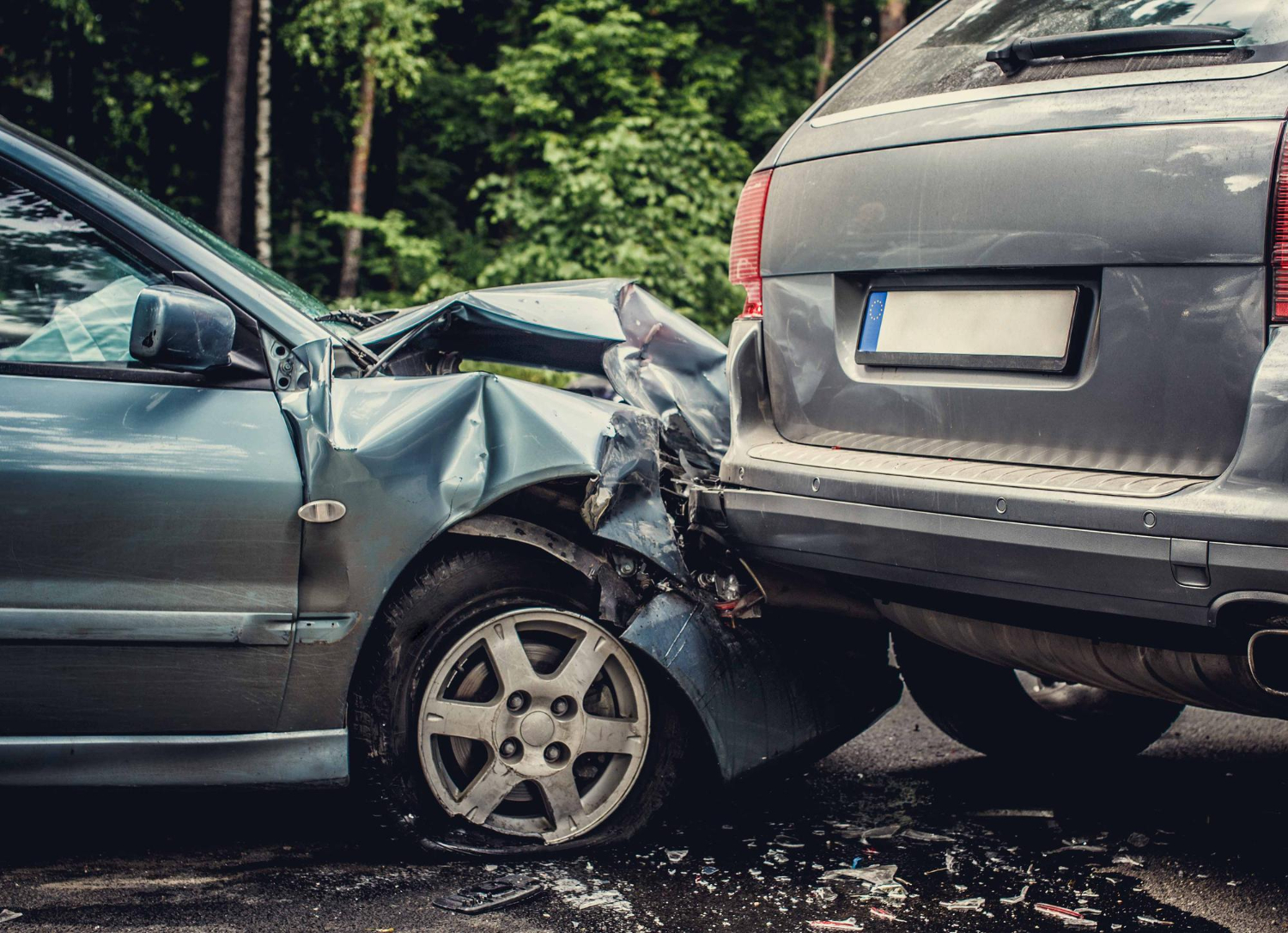
For example, damage to the rear of a vehicle often suggests a rear-end collision, which typically places fault on the trailing driver.
Traffic Laws and Right-of-Way Rules
Traffic laws play a major role in determining fault.
Insurance companies evaluate whether any driver violated rules such as:
- Running a red light or stop sign
- Failing to yield
- Improper lane changes
- Speeding or reckless driving
- Following too closely
If a traffic law violation contributed to the accident, that driver is more likely to be found at fault.
Comparative Fault in Some Cases
Not all accidents are entirely one driver’s responsibility. In some situations, fault may be shared.
This is known as comparative fault or shared responsibility.
For example:
- One driver may be speeding while another fails to yield
- Both drivers may make unsafe lane changes
- Visibility or weather conditions may contribute to the crash
In these cases, fault may be divided as a percentage between drivers, depending on state rules and insurer policies.
How Insurance Adjusters Decide
Insurance adjusters are trained to evaluate all available information and determine fault based on policy guidelines and state laws.
Their process usually involves:
- Collecting all reports and statements
- Reviewing physical and photographic evidence
- Applying traffic laws to the situation
- Comparing accounts for consistency
- Assigning liability based on findings
This process can take time, especially if information is incomplete or conflicting.
When Fault Is Disputed
Sometimes drivers disagree with the insurance company’s decision. This can happen when:
- Witness accounts conflict
- Evidence is unclear or missing
- Both drivers share responsibility
- New information becomes available
In these cases, insurers may reopen the investigation or review additional documentation before making a final decision.
Why Fault Determination Can Take Time
It’s common for fault decisions not to be immediate.
Delays may occur due to:
- Waiting for police reports
- Collecting witness statements
- Reviewing repair inspections
- Coordinating multiple insurance companies
- Investigating complex accident scenarios
Taking time helps ensure the decision is based on complete information rather than assumptions.
Why Fault Matters for Insurance Claims
Fault plays a major role in how claims are handled, including:
- Whose insurance pays for damages
- Whether deductibles apply
- Potential premium changes
- Liability for injuries or property damage
In at-fault situations, the responsible driver’s liability coverage typically pays for the other party’s damages, up to policy limits.
What You Can Do After an Accident
While you can’t control the fault determination process, you can help support a fair review by:
- Taking clear photos at the scene
- Exchanging accurate information
- Getting witness contact details
- Reporting the accident promptly
- Providing honest, detailed statements
Good documentation makes it easier for insurers to understand what happened.
Fault in a car accident isn’t decided by a single factor.
It’s the result of a careful review of evidence, statements, traffic laws, and physical details. While the process can feel slow or complicated, it’s designed to ensure decisions are fair and based on facts rather than assumptions.
Knowing how fault is determined can help you better understand the claims process and feel more prepared if you’re ever involved in an accident.