Collision coverage is one of those parts of auto insurance that people often add without thinking much about—or drop without fully considering the trade-off. On paper, it simply pays for damage to your car after an accident. In practice, whether it’s “worth it” depends on your vehicle, your finances, and how much risk you’re willing to take on yourself.
There’s no universal rule, but there are clear situations where collision coverage makes a lot of sense—and a few where it may not.
What Collision Coverage Actually Does
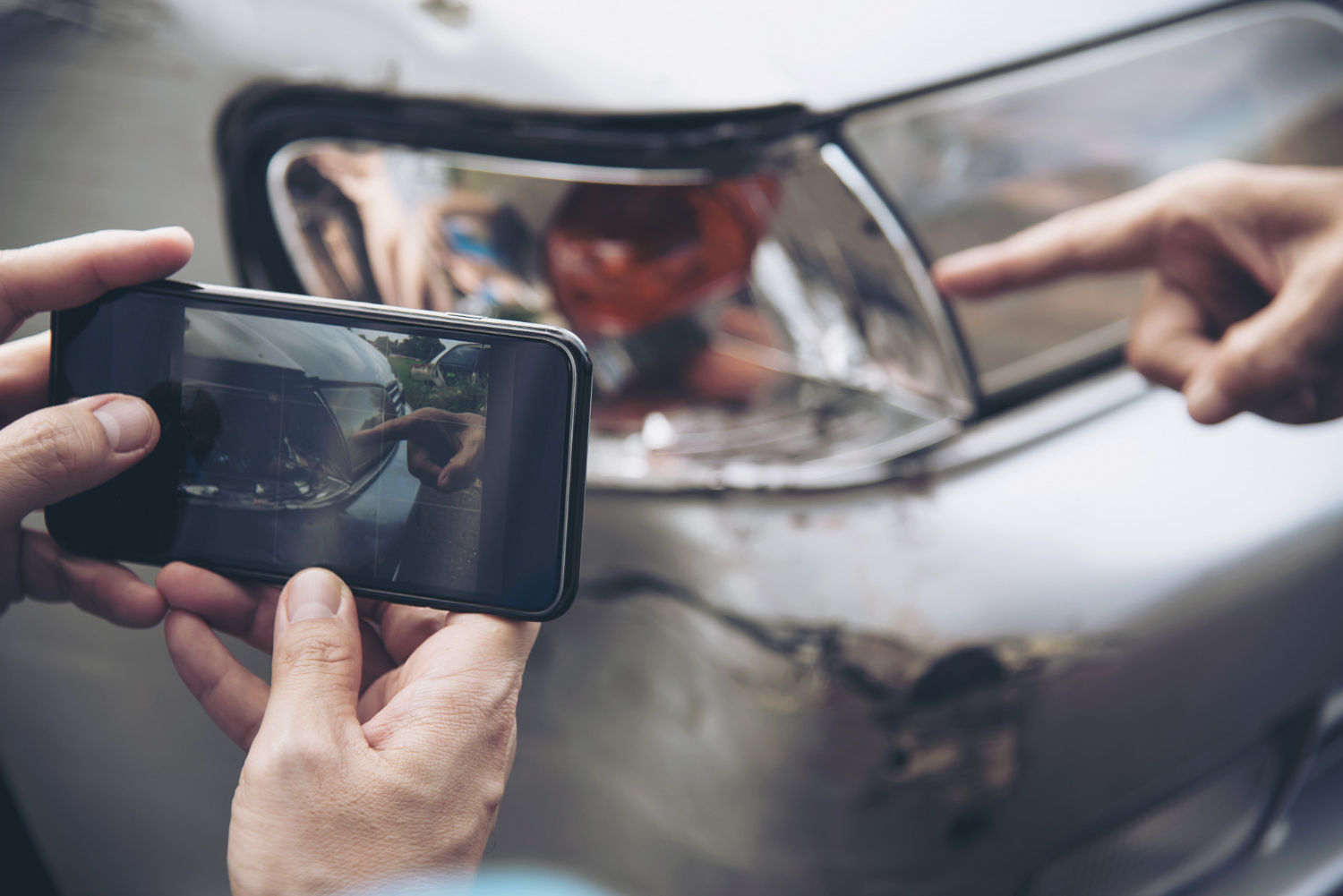
Collision coverage helps pay to repair or replace your vehicle if it’s damaged in an accident involving another vehicle or object. It applies regardless of who is at fault.
Common situations include:
- Rear-ending another car
- Being hit at an intersection
- Sliding into a guardrail or pole
- Single-vehicle accidents, like hitting a ditch
If your car is damaged in one of these events, collision coverage steps in after you pay your deductible.
When Collision Coverage Is Usually Worth It
1. Your Car Is New or Recently Purchased
If your vehicle is new, collision coverage is almost always worth considering. New cars are expensive to repair, and even minor accidents can result in significant costs.
Without collision coverage, you would be responsible for paying those repair bills entirely out of pocket.
2. You Are Financing or Leasing the Vehicle
If your car is financed or leased, collision coverage is typically required by the lender or leasing company.
This is because the vehicle still has financial value tied to the loan or lease agreement. Collision coverage helps ensure that value is protected if the car is damaged.
3. You Couldn’t Afford to Replace the Car Out of Pocket
One of the most practical ways to decide if collision coverage is worth it is to ask a simple question:
Could you afford to repair or replace your car tomorrow without insurance help?
If the answer is no, collision coverage provides an important financial safety net.
4. Your Car Still Has Significant Market Value
Even if a car is not brand new, it may still be worth several thousand dollars. In that case, paying a moderate premium for collision coverage can make more sense than risking a large unexpected expense.
As long as the value of the vehicle is meaningful to your financial situation, collision coverage can be justified.
5. You Drive Frequently or in High-Traffic Areas
The more time you spend on the road, the higher your exposure to accidents. Drivers who commute daily or regularly drive in congested areas are statistically more likely to experience collisions.
In those cases, collision coverage becomes a more practical form of protection.
When Collision Coverage Might Not Be Worth It
1. Your Vehicle Has Low Market Value
If your car is older and only worth a small amount, the cost of collision coverage may outweigh the benefit.
For example, if your vehicle is worth $2,000 but you’re paying high premiums for collision coverage, you may end up spending more on insurance over time than the car is worth.
2. You Could Easily Replace the Vehicle
Some drivers choose to skip collision coverage because they have enough savings to replace their vehicle if needed.
In this case, self-insuring the risk may be more cost-effective than paying ongoing premiums.
3. The Premium Is High Compared to the Car’s Value
If the cost of collision coverage represents a large percentage of your vehicle’s value each year, it may not be financially efficient.
A common guideline is to compare:
- Annual collision premium
- Actual cash value of the car
If the premium starts approaching a significant portion of the car’s value, it may be time to reassess.
The Role of Deductibles
Deductibles play a major role in whether collision coverage feels “worth it.”
A higher deductible usually lowers your monthly premium but increases your out-of-pocket cost when filing a claim.
For example:
- Low deductible: higher monthly cost, lower repair cost later
- High deductible: lower monthly cost, higher repair cost later
The right balance depends on how much you could realistically pay after an accident.
The Emotional Side of the Decision
Not all insurance decisions are purely financial. For many drivers, peace of mind plays a role.
Collision coverage can reduce stress by removing uncertainty after an accident. Instead of worrying about how to pay for repairs or replacement, you know there is a structured process in place.
For some people, that peace of mind is worth the added cost.
A Simple Way to Think About It
A useful way to evaluate collision coverage is to frame it in terms of risk transfer:
- Without collision coverage, you are fully responsible for your own vehicle’s damage
- With collision coverage, you transfer that risk to your insurer in exchange for a premium
The question becomes whether the cost of transferring that risk is worth it for your situation.
Collision coverage is not automatically necessary for every driver, but it is extremely valuable in the right circumstances.
New vehicles, financed cars, and drivers who cannot easily absorb repair or replacement costs usually benefit the most.
On the other hand, for older vehicles with low market value, the cost of coverage may outweigh the protection it provides.
The best decision comes down to a simple balance: what your car is worth, what you can afford to lose, and how much risk you’re comfortable carrying on your own.